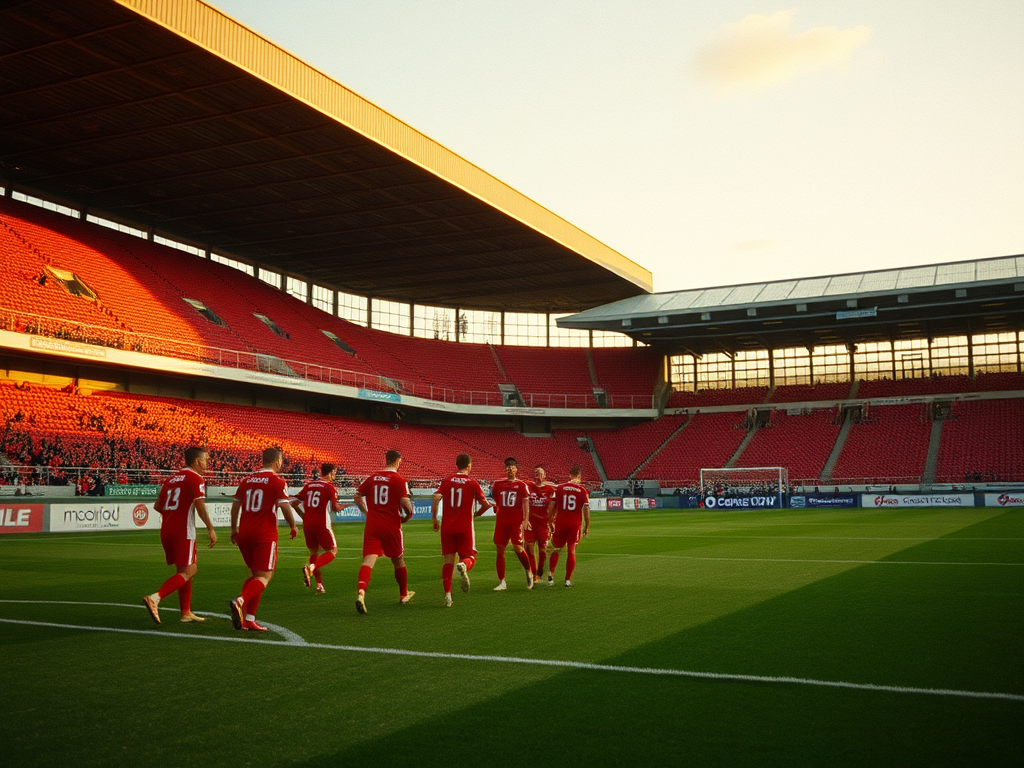
 Colwyn Bay Hub
Analyzing Colwyn Bay's Tactical Landscape
Colwyn Bay has had a mixed bag of results in recent weeks, marked by moments of brilliance interspersed with frustrating lapses in concentration. The Seagulls exhibit a strong foundation but seem to struggle with consistency, particularly against rivals who press high and exploit gaps in transition. To capitalize on their strengths and mitigate weaknesses, a deeper tactical analysis is essential.
Current Tactical Setup
Colwyn Bay primarily lines up in a 4-3-3 formation, which allows the team to maintain a strong midfield presence while providing width in attack. The forward trio, spearheaded by A. Williams, has shown flashes of creativity; however, the lack of cohesive interplay often leads to isolated attacks. The midfield, while competent, sometimes lacks the cutting edge needed to break down stubborn defenses. Additionally, the defense has been resilient but occasionally vulnerable to swift counter-attacks, especially when full-backs push too high in search of support in the attacking phase.
Suggested Tactical Adjustments
1. Transition to a 4-2-3-1 Formation: Shifting to a 4-2-3-1 could add stability in midfield while allowing for more fluid attacking play. By deploying a double pivot in midfield, Colwyn Bay can better control the center of the park, making it easier to transition the ball from defense to attack. This formation would also give the wingers more freedom to cut inside and create space for overlapping full-backs.
2. Utilizing Width More Effectively: While the Seagulls have wingers who can exploit the flanks, the current setup often neglects the wide areas. Encouraging the wingers to stretch the opposition's backline would create more gaps for the midfielders to exploit. This could involve using A. Williams and his fellow forwards to draw defenders out wide while allowing the likes of Elliott Bullock to make penetrating runs into the box from deeper positions.
3. Defensive Cohesion: To combat the vulnerabilities in defense, it's crucial for the backline to maintain a compact shape, particularly during transitions. Implementing a zonal marking system can help the team stay organized when the opposition breaks quickly. Training sessions focused on defensive drills that emphasize communication and positioning can pay dividends, especially in high-stakes matches against rivals like Caernarfon Town.
4. Pressing Strategy: Encouraging a more aggressive pressing strategy when out of possession can disrupt opponents' build-up play. The forwards should be instructed to initiate the press as soon as possession is lost, with the midfielders providing support to win back the ball quickly. This tactic not only increases the chances of regaining possession but also tires out the opposition's defense, creating opportunities for the Seagulls to capitalize on mistakes.
Conclusion: The Path Forward
Colwyn Bay possesses the talent and potential to thrive in the Cymru Premier, but tactical tweaks are essential for unlocking their capabilities. By embracing a more dynamic formation, utilizing width effectively, reinforcing defensive organization, and implementing a robust pressing strategy, the Seagulls can navigate the challenges ahead. As they look to regain their form at the Four Crosses Construction Arena, these adjustments could be the key to revitalizing their season and igniting a charge up the league table.